When it comes to maintaining medical facilities, the stakes for cleanliness and hygiene are exceptionally high. Unlike ordinary janitorial services, specialized medical cleaning addresses unique challenges such as preventing cross-contamination and adhering to strict compliance standards set by OSHA, CDC, and EPA.
Common pitfalls, such as using non-compliant disinfectants or neglecting proper “wet times,” often go unnoticed by general cleaners. However, these oversights can lead to serious health risks and liability issues.
This article explores why medical offices, clinics, and surgical centers require expert cleaning services that go beyond the basics. Discover how Uni-Pro’s professional medical cleaning services offer the expertise necessary to meet these rigorous demands, providing peace of mind to facility managers who prioritize patient safety and compliance.
Importance of Specialized Medical Cleaning
In healthcare settings, cleanliness isn’t just about appearances—it’s a critical part of patient safety and care quality. Specialized medical cleaning handles challenges that standard janitorial services often miss, such as cross-contamination, strict regulations, and hazardous waste handling.
Unlike routine cleaning, medical environments demand protocol-driven systems. These systems are designed to keep areas like exam rooms, surgical suites, and diagnostic labs safe and sterile. As a result, cleaning becomes a process that directly supports better patient outcomes.
Ultimately, choosing specialized medical cleaning isn’t just about cleanliness—it’s a commitment to care quality, compliance, and safety for everyone in the facility.
Risks of Cross-Contamination
Cross-contamination in medical facilities can have severe consequences, potentially spreading infections and compromising patient health. Specialized cleaning protocols are essential to mitigate these risks effectively.
Professional cleaners reduce the risk of pathogen spread by following strict procedures:
- Using color-coded cleaning tools for different areas
- Adhering to workflows designed for healthcare environments
- Practicing proper hand hygiene and PPE use
- Safely managing biological waste and sharps
These steps go well beyond the scope of general janitorial services and help ensure a safe medical environment.
Compliance with OSHA, CDC, and EPA
Adhering to regulatory standards is non-negotiable in healthcare environments. Compliance with OSHA, CDC, and EPA guidelines ensures that cleaning practices meet the highest safety and efficacy standards.
These regulations cover a wide range of areas, including:
- Handling and disposing of biohazards
- Storing and using cleaning chemicals properly
- Disinfecting surfaces and equipment correctly
- Keeping detailed cleaning records
Professional medical cleaners stay current with evolving standards. They receive regular training to ensure procedures remain compliant. As a result, facilities avoid regulatory violations and protect the people inside them.
Common Mistakes in Medical Cleaning Services
Even when well-meaning, general cleaning services can fall short in healthcare settings. Understanding frequent mistakes is key to ensuring safety and hygiene.
Inadequate Disinfectant Use
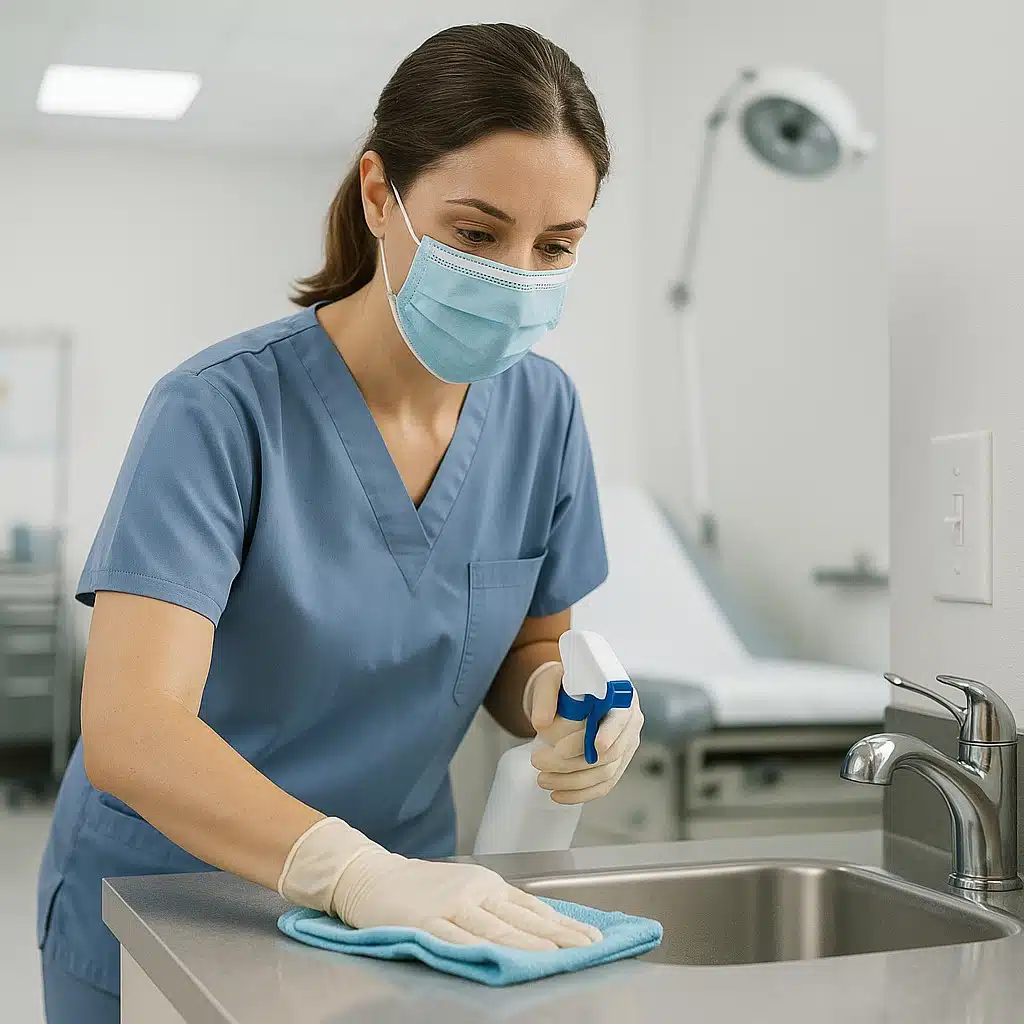
Proper disinfectant use is a cornerstone of effective medical cleaning, yet it’s an area where many general cleaning services falter. Choosing the right disinfectant and using it correctly is crucial for eliminating harmful pathogens.
Several common mistakes contribute to inadequate disinfection in healthcare environments:
- Using disinfectants that are not approved for medical settings
- Failing to follow proper dilution guidelines, which can reduce effectiveness or leave harmful residues
- Neglecting to clean surfaces before applying disinfectant, allowing organic matter to block microbial kill action
Professional medical cleaners are trained to avoid these errors. They understand that disinfectants must be prepared according to manufacturer instructions, applied in the right sequence, and used only after surfaces have been properly cleaned.
Ultimately, proper medical cleaning always involves a two-step process: cleaning first, then disinfection. Skipping or mishandling either step compromises safety and compliance.
Improper “Wet Times”
“Wet time,” also known as dwell time or contact time, refers to how long a disinfectant needs to remain wet on a surface to effectively kill pathogens. Ignoring proper wet times is a critical mistake that can render disinfection efforts ineffective.
Every disinfectant has a required dwell time, often ranging from 30 seconds to 10 minutes. The exact time depends on the product and the types of pathogens being targeted. Unfortunately, many general cleaners—often working too quickly—wipe surfaces dry before the disinfectant has time to work. This significantly reduces its effectiveness.
Professional medical cleaning teams take a disciplined approach to ensure dwell times are met. Their methods include:
- Following the manufacturer’s instructions for each product’s required contact time
- Scheduling tasks to allow surfaces to remain wet for the full duration
- Using only EPA-registered disinfectants approved for healthcare use
- Training staff to avoid wiping surfaces prematurely, ensuring maximum germ kill
In some cases, pathogens require even longer contact times. For instance:
- Resilient organisms like *C. difficile* need extended dwell periods
- Cleaning protocols are adapted based on contamination level and pathogen type
Benefits of Protocol-Driven Sanitation
A systematic approach to cleaning ensures consistency and thoroughness in maintaining healthcare environments. Protocol-driven sanitation provides a framework for addressing all critical areas effectively.
Managing High-Touch Surfaces in Medical Facilities
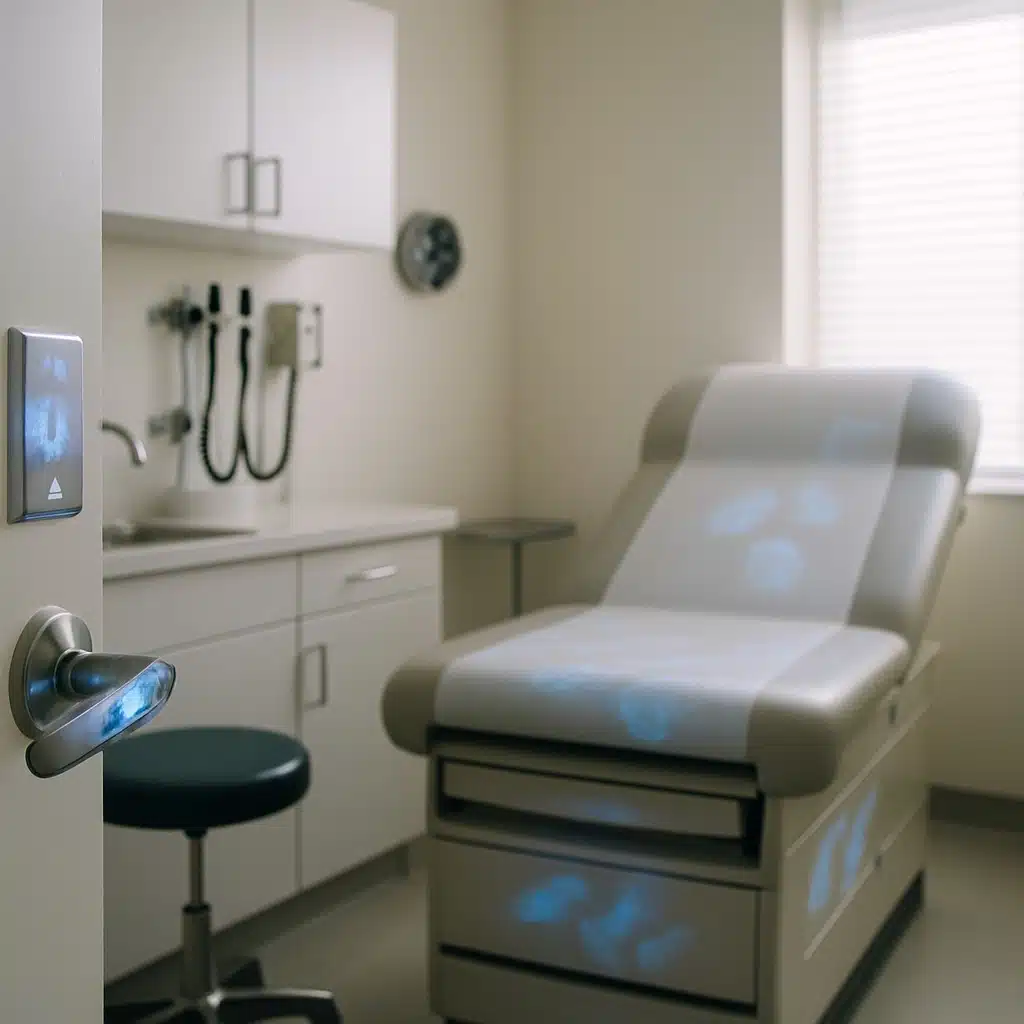
High-touch surfaces in medical facilities are hotspots for pathogen transmission. Effective management of these areas is crucial for preventing the spread of infections.
Professional medical cleaning services identify and prioritize high-touch surfaces, which may include:
- Door handles and push plates
- Light switches
- Elevator buttons
- Reception counters
- Shared medical equipment
These surfaces receive more frequent cleaning and disinfection throughout the day. Cleaners use EPA-registered disinfectants proven effective against a broad spectrum of pathogens.
Moreover, specialized cleaning protocols often incorporate the use of microfiber cloths, which are more effective at trapping and removing microorganisms compared to traditional cleaning materials. This attention to detail in high-touch surface management significantly reduces the risk of pathogen transmission in healthcare settings.

Effective PPE and Sharps Safety
Personal Protective Equipment (PPE) and proper handling of sharps are critical components of safe and effective medical cleaning. Professional services prioritize these aspects to protect both cleaning staff and facility occupants.
Proper PPE use includes:
- Wearing appropriate gloves for different tasks
- Using face masks and eye protection when necessary
- Donning protective gowns in high-risk areas
Sharps safety involves careful handling and disposal of needles, scalpels, and other sharp objects. Trained cleaners know to:
- Never reach into waste containers
- Use puncture-resistant containers for sharps disposal
- Report any improperly disposed sharps immediately
By adhering to strict PPE and sharps safety protocols, specialized medical cleaning services minimize the risk of accidents and exposure to potentially infectious materials. This not only protects the cleaning staff but also contributes to the overall safety of the healthcare environment.
Don’t leave your medical facility’s cleanliness to chance. Partner with Uni-Pro’s certified medical cleaning professionals to ensure full compliance, patient safety, and peace of mind.
Contact Uni-Pro today to schedule a consultation and see how expert sanitation can transform your healthcare environment.
Frequently Asked Questions (FAQ)
- What makes medical cleaning different from regular commercial cleaning?
Medical cleaning involves strict compliance with regulations (OSHA, CDC, EPA), disinfection protocols, and contamination control that general cleaning services typically do not cover.
- Why are “wet times” important in healthcare disinfection?
Wet times ensure that disinfectants stay on surfaces long enough to kill harmful pathogens. Skipping this step can render cleaning efforts ineffective.
- How does Uni-Pro train its staff for healthcare environments?
Uni-Pro provides continuous training in compliance standards, chemical safety, and specialized techniques for high-risk medical zones.
- What surfaces should be prioritized during medical facility cleaning?
High-touch areas like doorknobs, light switches, bed rails, and shared medical devices must be disinfected frequently.
- Are EPA-approved disinfectants always used by Uni-Pro?
Yes. Uni-Pro uses only EPA-registered products suitable for medical settings to ensure safety and efficacy.